




Conventional dwelling
The glossary of statistical terms, published by the Organisation for Economic Co-operation and Development (OECD), defines a conventional dwelling as: ‘…a room or suite of rooms and its accessories in a permanent building or structurally separated part thereof which, by the way it has been built, rebuilt or converted, is intended for habitation by one household and is not, at the time of the census, used wholly for other purposes. It should have a separate access to a street (direct or via a garden or grounds) or to a common space within the building (staircase, passage, gallery and so on). Examples of dwellings are houses, flats, and suites of rooms and so forth.’
[edit] Related articles on Designing Buildings
- Apartment.
- Bedroom.
- Bungalow.
- Cottage.
- Domestic building.
- Duplex.
- Dwelling.
- Flat definition.
- Household.
- Housing stock / building stock.
- Original dwellinghouse.
- Residential definition.
- Room for residential purposes.
- Sheltered housing definition.
- Terraced house.
- Types of building.
- Types of dwelling.
- Use class.
Featured articles
Check out some of the best features and news from Designing Buildings as well as key stories from around the web.
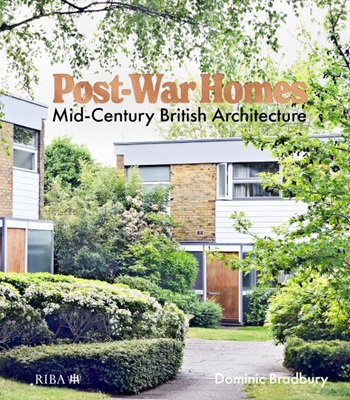
Post-War Homes: mid-century British architecture. Book review.

CIAT reflects on the party conferences.

CIOB announce the winners of the Art of Building photography competition.

National Scheme of Delegation introduced.

The cost of employing people remains a concern.
Code of Practice for Electrical Energy Storage Systems.

ECA calls on members to comment on draft 4th edition.

Bringing together expertise and creating cultural benefits.

CIOB celebrates positive Ofsted report.

The Building Safety Regulator announces a call for evidence.

Government approach could undermine delivery and regeneration.
World's first mass timber data centre.

The overlooked environmental aspect of data centre development.
Introduction to radon awareness

New technical information sheet published by CIOB.